Colorful Crayon Vector Graphics for Kids Crafts
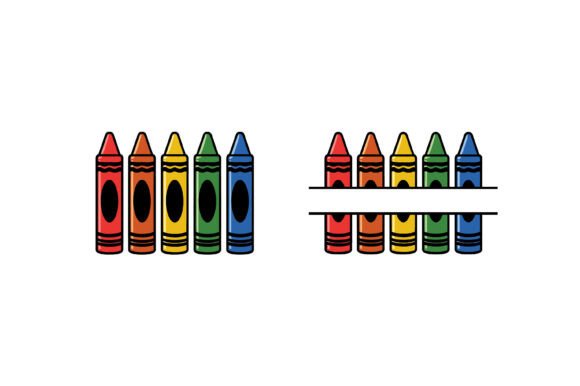
When evaluating a new graphic design asset for an upcoming client project, my primary concern is always versatility versus aesthetic specificity. Recently, while developing a comprehensive visual identity for a boutique children’s education center and their accompanying Etsy shop, I tested the Colorful Crayon Vector Illustration Set. The goal was to find artwork that bridged the gap between playful childhood nostalgia and professional small business branding. My first impression was that this collection successfully captures a tactile, handmade warmth that is often difficult to achieve with purely digital tools. The crayons possess a textured quality that feels authentic rather than sterile, making them immediately suitable for projects requiring emotional resonance and approachability.
Evaluating Visual Warmth for Education Branding
In the context of this specific client—a learning center expanding into digital products—the mood created by these illustrations was pivotal. The set leans heavily into a "school education art" aesthetic without feeling dated or overly cartoonish. For a designer, this balance is critical. We needed marketing visuals that communicated creativity and safety to parents while remaining engaging for children. The color palette within this design bundle offers enough saturation to pop on social media feeds but retains enough softness to work as background elements in editorial design. When placed alongside clean sans-serif typography, the crayon textures provide a necessary organic contrast, preventing the brand identity from feeling too corporate or clinical.
Performance Across Print-on-Demand and Digital Formats
A true test of any creative design resource is how it translates across different mediums. I utilized the included SVG and EPS files to create scalable packaging design elements for the client’s physical art kits. Because these are true vector formats, I could resize individual crayons to fit narrow box flaps without losing edge definition. Conversely, the transparent PNG files proved invaluable for rapid social media graphics creation. I layered them over photographed classroom scenes to create Instagram stories and Pinterest pins. For those focused on print-on-demand, the high-resolution JPEGs are optimized for t-shirt design and tote bags, where the crayon texture mimics actual fabric printing beautifully. The inclusion of PDF format also makes this set highly functional for creating printable worksheets or coloring book covers, which was a secondary revenue stream for my client.
Strategic Placement in Layouts and Merchandise
Understanding where to deploy this clipart is just as important as having access to it. In my experience, the Colorful Crayon Vector Illustration Set performs exceptionally well as a hero graphic or a framing device. For the client’s website, we used a scattered arrangement of crayons to frame the main value proposition, guiding the user's eye naturally toward the call-to-action button. This asset shines in large layout areas where the texture can be appreciated. It is also ideal for sticker design and Cricut project applications, as the distinct shapes cut cleanly and weed easily. For Canva template creators, these elements serve as perfect drag-and-drop accents that add instant personality to educational planners or teacher resources.
Navigating Visual Hierarchy and Readability Challenges
However, professional judgment requires acknowledging limitations. Designers must use this asset carefully in crowded layouts or minimalist branding contexts. The inherent visual weight of crayon textures can compete with body text if not managed properly. During the logo design exploration phase, I found that integrating the full-color crayons directly into the logomark reduced legibility at small sizes. Instead, we reserved the illustration set for supporting brand identity elements like business cards and email signatures. Furthermore, avoid placing these detailed illustrations against complex photographic backgrounds unless there is significant negative space; otherwise, the visual hierarchy collapses. This asset supports readability best when given room to breathe, acting as a decorative accent rather than a foundational structural element.
Technical Due Diligence for Commercial Application
Before committing this digital product to a final deliverable, I ran through a rigorous technical checklist that every designer should adopt. First, always test the SVG design in black and white. While the color version is vibrant, ensuring the silhouette holds up in monochrome is essential for single-color sublimation design or embroidery digitizing. I also verified the transparency of the PNG files; thankfully, the edges were clean with no white halos, which saved hours of manual masking. When pairing this illustration with typography, I recommend testing it against rounded sans-serifs or playful handwritten fonts. Traditional serif fonts can sometimes clash with the informal nature of crayon art, creating a disjointed user experience. Finally, and most importantly, confirm the commercial license terms before using this in any Etsy product or client campaign. Understanding whether you can use the asset in end-products for sale versus personal use is non-negotiable for protecting your business and respecting the original creator.
Enhancing Emotional Connection in Creative Marketplaces
Ultimately, the value of the Colorful Crayon Vector Illustration Set lies in its ability to humanize digital interfaces and printed goods. In a saturated creative marketplace, consumers are drawn to designs that feel crafted and intentional. For my education client, this asset helped transform generic marketing materials into a cohesive narrative about joyful learning. Whether you are designing product mockup presentations to sell templates, creating seasonal flyers for a local library, or building a handmade business brand, this set offers a reliable foundation. It bridges the technical requirements of modern web design with the nostalgic appeal of traditional art supplies. By treating this asset as a strategic tool rather than mere decoration, designers can elevate their work, ensuring that every commercial design project resonates deeply with its intended audience while maintaining professional standards of execution and clarity.